
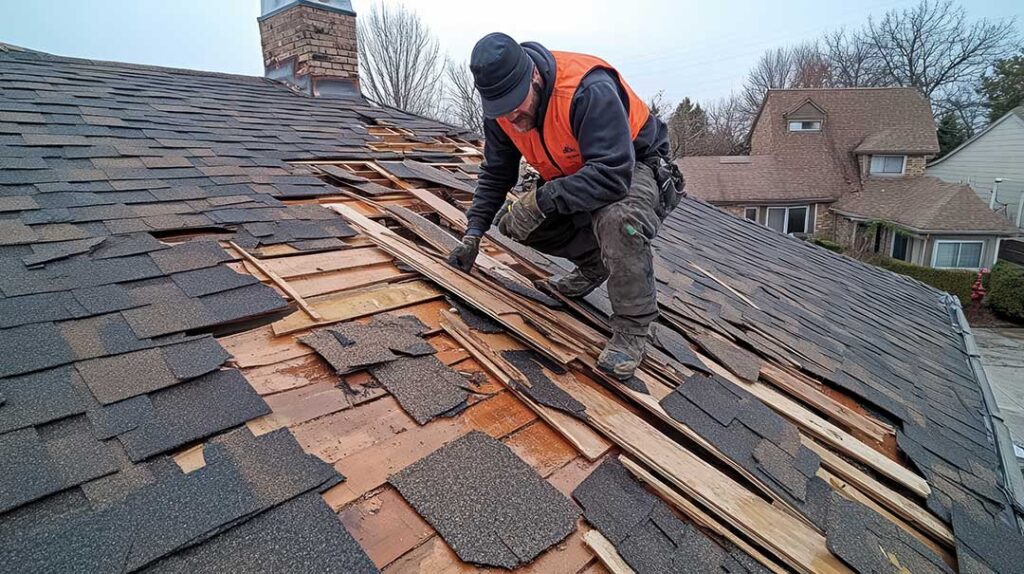
Why should a homeowner inspect the roof?
A roof inspection helps identify damage, aging materials, drainage problems, and safety concerns before they become interior leaks or structural repairs. For households in Freeville, NY, inspections are especially useful after winter weather, strong winds, heavy rain, and repeated freeze-thaw cycles.
A roof can appear sound from the ground while problems develop beneath shingles, around flashing, or near roof penetrations. Regular observation does not replace a detailed inspection, but it can help homeowners recognize when closer attention is needed.
An inspection usually considers:
- Shingles, panels, or other roof coverings
- Flashing around chimneys, vents, skylights, and roof edges
- Gutters, downspouts, and drainage paths
- Roof valleys where water and debris collect
- Attic ventilation and signs of moisture
- Interior ceilings and walls below the roof
- Areas affected by trees, ice, wind, or falling branches
How often should a roof be inspected?
Most homeowners should perform a basic visual check twice each year: once in spring and again in fall. An additional inspection is sensible after severe wind, hail, unusually heavy snow, or a nearby fallen branch.
Spring inspections can reveal damage caused by ice, snow loads, wind, and ice dams. Fall inspections help identify loose materials, blocked drainage, and weak areas before colder weather arrives.
The right schedule also depends on the roof’s age and condition. A newer roof with no visible problems may need routine observation, while an older roof, a roof with previous leaks, or one surrounded by mature trees deserves closer monitoring.
Homeowners should not walk on a roof simply to inspect it. Sloped surfaces, damp shingles, hidden weak spots, and frost can create serious fall hazards. Ground-level observation, attic inspection, and photographs taken from a safe location are safer starting points.
What can be checked from the ground?
A ground-level inspection can reveal several warning signs without climbing. Binoculars may help with distant areas, but they should not be used from an unsafe position near roof edges.
Look for:
- Missing, cracked, curled, or visibly displaced shingles
- Dark patches or uneven areas on the roof surface
- Exposed underlayment or roof decking
- Sagging along the roofline or between supports
- Damaged flashing around roof openings
- Gutter sections pulling away from the house
- Granules collecting in gutters or near downspouts
- Moss or heavy organic growth that keeps the roof damp
- Tree limbs rubbing against the roof or hanging overhead
Not every dark mark means a roof is failing. Some discoloration may result from normal aging, shade, or surface staining. However, changes that appear suddenly, grow over time, or occur with a leak deserve further investigation.
What should be checked inside the attic?
The attic often provides the clearest evidence of roof performance. Inspect during daylight if possible, using a flashlight and stepping only on stable flooring or walkboards. Avoid disturbing insulation unnecessarily.
Signs of concern include:
- Damp or compressed insulation
- Water stains on rafters, roof decking, or insulation
- Rusted nails or fasteners
- Mold-like growth or persistent musty odors
- Daylight visible through the roof covering, except at designed vents
- Frost on roof sheathing during cold weather
- Condensation around nails, vents, or metal components
- Blocked or poorly functioning ventilation openings
Moisture in an attic does not always come directly through the roof. Bathroom exhaust, kitchen moisture, inadequate ventilation, and air leakage from the living space can also produce condensation. Finding the source matters because adding roofing repairs alone may not solve an attic moisture problem.
What are the most common roof inspection warning signs?
The most urgent signs are active leaks, sagging, exposed roof decking, large areas of missing material, and damage around chimneys or other openings. These conditions can allow water to reach insulation, framing, ceilings, and electrical components.
A small ceiling stain should not be dismissed because the visible mark may be far from the actual entry point. Water can travel along rafters, decking, insulation, and framing before appearing indoors.
Other warning signs include:
- New stains after rain or melting snow
- Peeling paint or bubbling drywall near the ceiling
- Persistent damp smells in upper rooms
- Drips around attic penetrations
- Gutters filled with unusually large amounts of roof granules
- Repeated ice buildup along eaves
- Roof sections that look uneven compared with surrounding areas
A leak may stop when the weather becomes dry, but that does not mean the underlying problem has repaired itself.
How do Freeville’s seasons affect roof condition?
Seasonal changes place repeated stress on roofing materials. Snow and ice can add weight, while freeze-thaw cycles can widen small cracks and loosen flashing. Wind can lift shingles or drive rain beneath roof edges. Spring debris and wet leaves can block gutters and slow drainage.
Summer heat and sunlight can also age roofing surfaces, particularly on roof sections with little shade. Nearby trees may contribute falling branches, rubbing limbs, leaf buildup, and moss-friendly moisture.
After a major storm, inspect from the ground for displaced materials and check upper ceilings or attic areas for new moisture. Damage is not always obvious immediately, especially when insulation absorbs water before a stain forms.
Does a roof inspection include gutters and ventilation?
Yes. Gutters and ventilation are closely connected to roof performance, even though they are not the roof covering itself.
Gutters should direct water away from walls and foundations. Overflowing or detached gutters can send water behind fascia boards, into soffits, or against exterior walls. Downspouts should discharge water far enough away to prevent repeated pooling near the foundation.
Ventilation helps control heat and moisture in the attic. Problems may occur when vents are blocked, exhaust fans terminate in the attic, or insulation covers intended airflow paths. Poor ventilation can contribute to condensation, premature material aging, and ice-dam formation.
When is a professional inspection necessary?
A qualified roof inspector is appropriate when the roof has active leakage, suspected storm damage, visible sagging, difficult-to-reach areas, or signs of structural deterioration. Professional evaluation is also prudent before buying or selling a home, after a major weather event, or when repair decisions depend on conditions that cannot be safely viewed from the ground.
Safety is the main reason not to investigate hazardous areas personally. Roof surfaces may be steep, brittle, slippery, or weakened by hidden water damage. Electrical service lines, ladders, and unstable roof edges add further risks.
An inspection should distinguish between normal wear, isolated repairs, maintenance issues, and conditions that may require broader action. Homeowners can ask for clear documentation, photographs of relevant findings, and an explanation of which concerns are urgent versus routine.
What records should homeowners keep?
Keep inspection notes, dated photographs, repair information, and records of significant storms. A simple roof file can help identify changes over time and provide useful background for future evaluations.
Record:
- The inspection date
- Weather conditions before the inspection
- Visible damage or areas needing observation
- Interior signs of moisture
- Gutter and drainage concerns
- Any repairs or maintenance performed
Consistent records make it easier to determine whether a stain is new, whether a roof area is deteriorating, or whether a recurring problem has been properly addressed. They also help homeowners make decisions based on evidence rather than appearance alone.
