
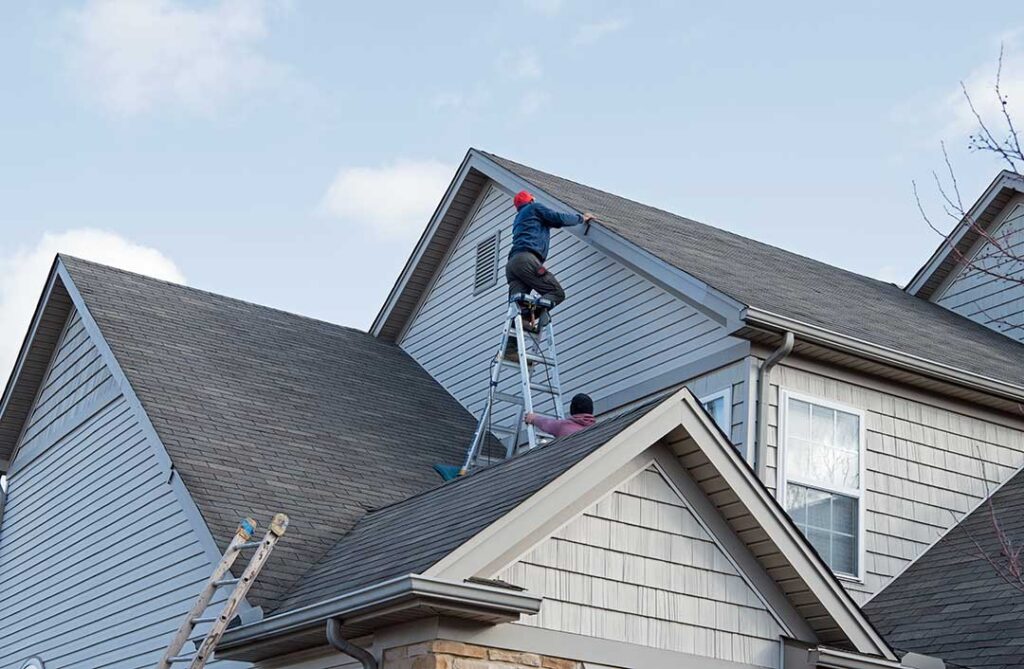
Weather affects a roof gradually and sometimes suddenly. In Freeville, NY, roofs must handle freezing temperatures, snow, ice, wind, heavy rain, humidity, and repeated seasonal changes. Each condition stresses roofing materials differently, and problems often begin in areas that are already vulnerable, such as flashing, valleys, edges, vents, and older sealants.
Understanding how weather affects a roof makes it easier to recognize warning signs before a small issue causes interior damage.
How does winter weather affect a roof?
Winter weather can damage a roof through a combination of snow weight, ice formation, freezing temperatures, and repeated thawing. A roof may remain intact through one storm but develop problems after many freeze-thaw cycles.
Snow adds weight to the entire roof structure. Most residential roofs are designed for local snow conditions, but unusually deep, wet snow is much heavier than light, powdery snow. The greatest concern is usually a combination of heavy snow and an existing weakness, such as damaged decking, deteriorated framing, or long-term moisture exposure.
Ice can create additional problems around roof edges. When warm air escapes into the attic, it can heat the underside of the roof and melt snow unevenly. Meltwater may then refreeze near colder eaves, forming an ice dam. Water trapped behind the ice can sometimes work beneath shingles and enter the roof assembly.
Winter conditions may also make roofing materials less flexible. Shingles, membranes, flashing, and sealants can become more brittle in cold temperatures. Walking on a roof during freezing weather can increase the chance of cracking or surface damage, especially on older materials.
Why are freeze-thaw cycles hard on roofing materials?
Freeze-thaw cycles cause water to expand and contract repeatedly. This process can widen small cracks, loosen fasteners, and gradually separate materials that were previously sealed.
Water may enter tiny openings around:
- Flashing near chimneys, walls, and roof transitions
- Plumbing and ventilation penetrations
- Cracked sealant or exposed fasteners
- Damaged shingles or lifted edges
- Roof valleys where water and debris collect
When temperatures fall below freezing, trapped water expands. During warmer periods, it melts and moves farther into the roofing system. This cycle may not cause an immediate leak, but it can weaken the roof over time.
The same pattern can affect gutters, downspouts, masonry, and attic ventilation components. A roof that appears dry during a brief inspection may still have concealed moisture in its underlayment, insulation, or roof decking.
What damage can wind cause?
Wind damage is not limited to missing shingles. Strong gusts can lift shingle edges, loosen flashing, damage ridge caps, and stress areas where different roof surfaces meet.
Wind is more likely to affect exposed roof edges, corners, eaves, and ridge lines. Once one roofing component becomes loose, later storms can enlarge the damaged area. A lifted shingle may allow rain beneath neighboring materials even if it remains attached.
After a wind event, visible warning signs may include:
- Shingles that appear raised, curled, creased, or displaced
- Missing sections near roof edges or ridges
- Loose metal flashing
- Debris or roofing granules in gutters
- Water stains in upper-floor ceilings or attic spaces
A roof does not need to lose a large section to develop a leak. Small openings around penetrations and flashing can allow wind-driven rain to enter during the next storm.
How does heavy rain affect a roof?
Heavy rain tests a roof’s drainage system as much as its surface. A roof can shed ordinary rainfall successfully but struggle when gutters are blocked, downspouts discharge too close to the foundation, or water collects in low areas.
Rain-related problems often begin where water changes direction or passes between materials. Valleys, wall intersections, skylights, vents, and roof-to-porch connections require careful water management. If flashing is corroded, displaced, or poorly sealed, water may enter behind the visible roof covering.
Repeated wetting can also encourage deterioration of roof decking and fascia. Wood that stays damp for long periods may soften, swell, or decay. Interior symptoms can include yellow or brown ceiling stains, peeling paint, damp insulation, musty odors, or bubbling surfaces.
A leak may not appear directly below the point where water entered. Water can travel along rafters, roof decking, insulation, or framing before becoming visible indoors.
Does summer heat damage a roof?
Summer heat can shorten the life of roofing materials by causing expansion, contraction, drying, and surface breakdown. Dark roof surfaces can become much hotter than the surrounding air, especially during periods of strong sunlight.
Heat-related wear may include:
- Shingle curling or cracking
- Loss of protective granules
- Deteriorating sealant
- Buckling or distortion
- Dry, brittle flashing
- Excessive attic temperatures
Poor attic ventilation can increase heat buildup beneath the roof. Ventilation does not make a roof immune to heat, but balanced intake and exhaust airflow can help reduce trapped heat and moisture.
Heat also affects roofing indirectly. If an attic becomes very warm, conditioned indoor air may be lost through gaps in the ceiling plane. This can raise energy use and contribute to moisture movement into the attic.
Why does humidity matter even when there is no visible leak?
Humidity can cause roof problems without producing an obvious opening in the roof covering. Warm indoor air that reaches a cold attic surface may condense into moisture. Over time, this can dampen insulation, stain wood, encourage mold growth, and corrode metal components.
Common sources of attic moisture include:
- Inadequate ventilation
- Gaps around ceiling fixtures
- Bathroom or kitchen exhaust directed into the attic
- Unsealed attic access panels
- Air leakage around ductwork and penetrations
- Indoor humidity during cold weather
A roof can be technically watertight while the attic still has a moisture problem. Roof inspections should therefore consider both exterior conditions and the attic environment.
Which parts of a roof are most vulnerable?
Roof coverings receive the most attention, but many weather-related failures begin in supporting details. Vulnerable areas include valleys, flashing, roof edges, penetrations, gutters, and transitions between additions or different roof slopes.
In older homes and buildings with multiple roof sections, changes in construction can create more joints and drainage paths. Additions, enclosed porches, dormers, and low-slope sections may experience different weather exposure than the main roof.
Trees can also affect roof performance. Branches may scrape surfaces, drop debris into valleys, or fall during wind and heavy snow. Shade can slow drying after rain and encourage moss or algae growth in persistently damp areas.
What should residents check after severe weather?
A basic ground-level inspection after a storm can identify visible concerns without requiring anyone to climb onto the roof. Look for missing materials, fallen branches, overflowing gutters, displaced flashing, or new stains indoors.
Inside the building, check ceilings, upper-floor walls, attic spaces, and areas around roof penetrations. A stain that appears after rain may indicate an active leak, but a dry stain can also represent an older problem that has returned under new weather conditions.
Roof access becomes hazardous when surfaces are wet, icy, snow-covered, or damaged. Suspected structural movement, sagging, extensive water entry, exposed electrical components, or large fallen branches should be treated as safety concerns rather than routine maintenance issues.
How can weather-related roof damage be reduced?
Weather resilience depends on several connected systems rather than one material alone. Keeping drainage paths clear, maintaining attic airflow, addressing damaged flashing, and monitoring vulnerable roof details can reduce preventable problems.
Useful seasonal habits include:
- Check gutters and downspouts before periods of heavy rain and after leaf fall.
- Look for damaged or displaced roofing materials from ground level.
- Keep tree limbs away from roof surfaces where possible.
- Inspect the attic for damp insulation, condensation, stains, or daylight through the roof.
- Watch for recurring ice buildup along roof edges during winter.
- Record the location and timing of interior stains after storms.
Roofing materials eventually age, but weather damage is often accelerated by deferred maintenance, trapped moisture, poor drainage, or small defects that remain unaddressed. In a climate with snowy winters and warm, humid summers, regular observation helps distinguish normal seasonal wear from conditions that may require prompt attention.
