
Can a Roof Really Affect Indoor Allergens?
Yes, the condition and design of a roof can have a significant impact on the types and levels of allergens inside a home. For residents in Freeville, NY—where weather shifts, tree pollen, and seasonal dampness all come into play—the way a roof is constructed and maintained influences how well allergens stay outside. Older or poorly maintained roofs, especially those with leaks or damaged materials, become pathways for mold spores, pollen, dust, and animal debris to enter and circulate indoors.
What Roof Problems Let Allergens Inside?
The most common ways a roof can worsen indoor allergen issues include leaks, gaps, and poor ventilation. Here’s how each one plays a role:
- Water leaks, even small ones, soak attic insulation and wood, creating an ideal environment for mold growth. Mold spores can then drift into living spaces.
- Gaps in roof decking or flashing, as well as loosely fitted shingles, allow more airborne dust and pollen to sneak inside.
- Insufficient ventilation traps heat and moisture, leading to condensation and higher risk of both mold and dust mite populations.
In Freeville, wet springs and humid summers heighten these risks, and wind-driven rain can exploit even minor roof flaws. Roofs nearing the end of their lifespan tend to have more of these vulnerabilities.
How Does a New Roof Help Limit Allergens?
A properly installed and well-sealed new roof closes the most common points of entry for outdoor allergens and moisture. Here’s what changes with an upgrade:
- Fresh roofing materials and modern installation techniques ensure tight seals around chimneys, vents, and roof joins.
- Improved attic ventilation regulates temperature and humidity, discouraging mold and dust mite growth.
- Replacing water-damaged decking or insulation removes existing mold colonies and prevents new growth.
In homes around Freeville, a new roof installed after decades of patching often means the first opportunity in years to block chronic leaks and airflow gaps that have silently contributed to allergy symptoms.
What Local Factors Make Roof Allergens a Concern in Freeville?
Several aspects of Freeville’s climate and housing stock make roof-related allergens especially relevant:
- The community’s mix of older wood-frame homes and mature trees means frequent exposure to pollen and leaf debris, which easily settle on and slip into compromised roofs.
- Seasonal swings between cold, snowy winters and humid, rainy summers create cycles of condensation and dampness—known triggers for attic mold.
- Many homes in the area have attics with minimal insulation and older roof assemblies, making them more vulnerable to moisture intrusion.
Because homes may go years between roofing projects, underlying gaps and leaks can become chronic sources of indoor discomfort for people sensitive to dust and mold.
What Types of Allergens Are Most Affected by Roofing?
The most common roofing-related allergens affecting area households include:
- Mold spores: Thrive in damp attic spaces caused by leaks or blocked ventilation.
- Tree and grass pollen: Accumulate on shingles, then enter through holes or gaps.
- Animal dander: Squirrels, birds, or bats nesting in attic spaces shed dander and droppings if they gain roof access.
- Dust mites: Multiply in moist insulation, especially when ventilation is lacking.
New roofing, especially when accompanied by removal of damaged or moldy insulation, interrupts these cycles.
Are Certain Roofing Materials Better for Allergen Reduction?
Some roofing choices do a better job at keeping allergens out long-term:
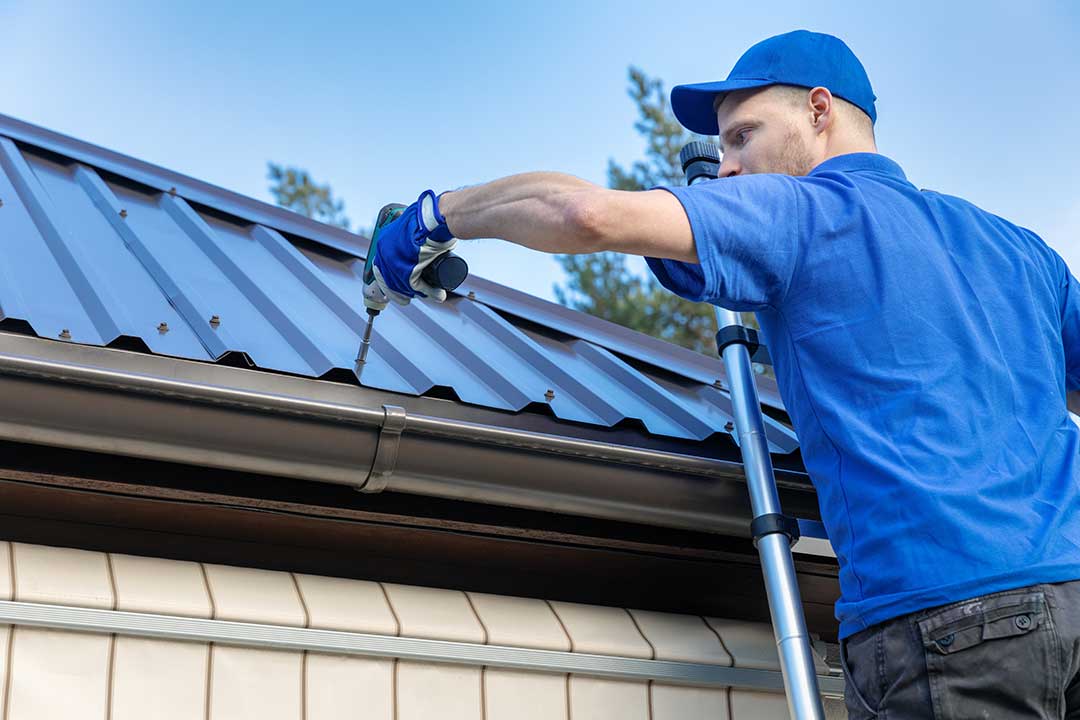
- Metal roofing often reduces opportunities for debris buildup and mold growth compared to traditional asphalt, thanks to its smoother surface and tighter seams.
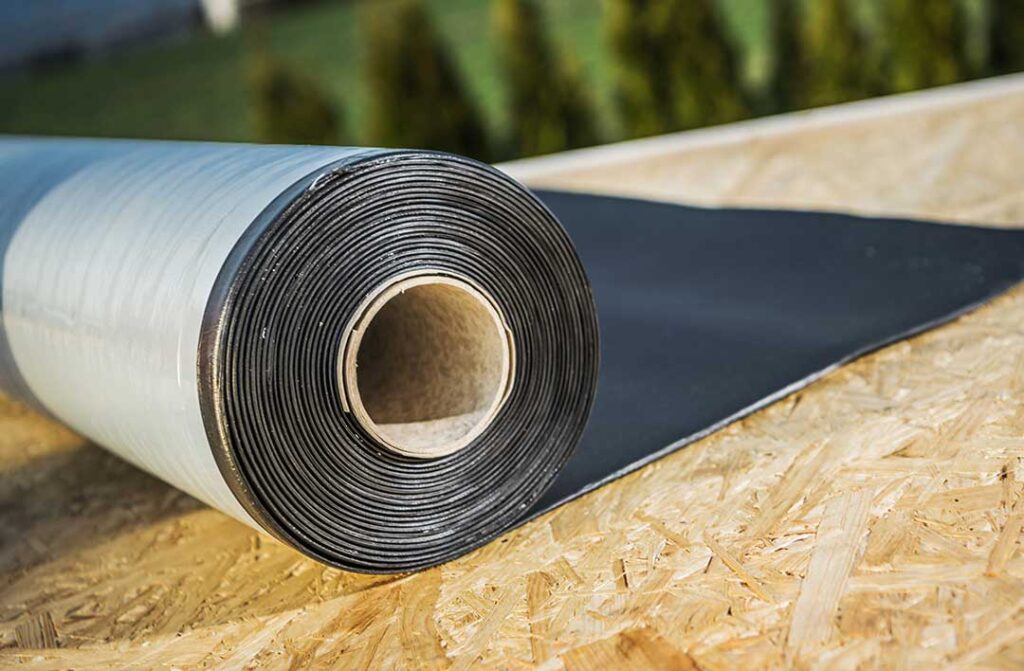
- Synthetic underlayments and moisture barriers add another layer of protection against leaks.
- Properly installed ridge vents and soffit vents maintain steady airflow to keep attics dry.
However, the key factor isn’t usually the material itself, but the quality of the installation and whether every opening is properly sealed and insulated. Removing all old, moldy materials before putting on a new roof has a bigger effect than switching to a high-tech shingle alone.
What Signs Suggest a Roof Might Be Contributing to Allergies?
If a household in the Freeville area notices any of the following, it may be time to check the roof as a potential allergy source:
- Persistent musty odors, especially after rain.
- Visible stains or black spots on attic rafters.
- Unexplained spikes in family allergy or asthma symptoms during the spring or after storms.
- Small water spots on ceilings or walls, even without obvious roof leaks above.
- Increased dust in living spaces, particularly near ceiling fixtures or attic access points.
These may signal moisture problems or outside air infiltration above.
What Should Residents Address When Replacing a Roof to Maximize Allergen Reduction?
To get the most benefit during a roof replacement project, it's important to:
- Insist on removal of all visibly moldy wood and insulation, not just covering it up.
- Ensure new roof components, such as flashing, vents, and skylights, are tightly sealed.
- Upgrade attic ventilation to match current building codes, which help control humidity year-round.
- Consider using materials that resist moss and algae growth, common in the area’s humid months.
- Have attic spaces thoroughly cleaned before new insulation is installed.
By treating a roof project as an opportunity to refresh the whole building envelope, residents reduce both current and future allergen intrusions.
What Are Some Misconceptions About Roofing and Indoor Allergens?
Some homeowners assume that replacing a roof is only about stopping leaks or improving appearance. But, especially in environments like Freeville, roofs play a major role in whether allergens can enter or thrive inside. Other misconceptions include:
- "Only big leaks matter": Tiny gaps or flashings can create chronic allergen problems even without visible water damage.
- "Bleach will solve attic mold": Surface cleaning doesn't address the root causes—moisture entry and trapped humidity.
- "New insulation alone is enough": Putting new insulation over contaminated spaces allows spores and dust to remain in circulation.
Attending to the whole roof system, not just the surface shingles, is what delivers the best indoor air quality results.
