
How Does a Roof Influence Homeowner’s Insurance Coverage?
The condition, material, and age of a roof are among the most influential factors insurance companies assess when providing homeowner’s insurance coverage. Insurers base their decisions on the likelihood of claims, and the roof plays a crucial role in protecting the home from common risks like wind, snow, rain, and hail—threats that Freeville households regularly experience.
In this area, insurers often inspect roofs carefully during the underwriting process. Roofs nearing or past their expected lifespan can result in higher premiums, exclusions for certain types of damage, or, in some cases, refusals to renew policies unless repairs or replacements are made.
What Types of Roof Damage Do Insurance Policies Typically Cover?
Policies usually offer coverage for roof damage caused by “perils” like windstorms, hail, heavy snow, fire, or falling objects. In Freeville, winter storms and ice dams are common causes of roof claims during cold months, while heavy spring rains may also test roof integrity. However, not all types of damage are automatically covered.
- Sudden, accidental events (like a tree limb falling during a storm) are generally included.
- Gradual wear and tear, neglect, and inadequate maintenance are not covered.
- “Cosmetic damage” (such as minor shingle discoloration or granule loss) may be excluded unless it affects the roof’s function.
It’s critical for area homeowners to check policy wording carefully, as insurance exclusions vary, especially in regions where weather patterns are severe or rapidly changing.
Do Insurance Companies in Freeville Require Roof Inspections?
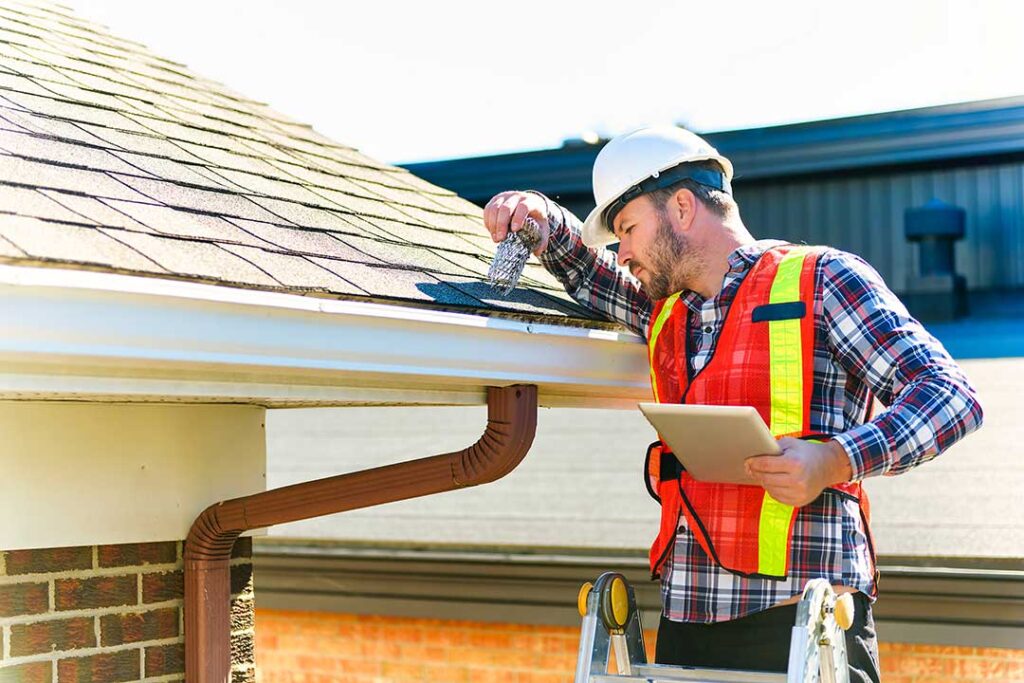
Insurance providers serving Freeville commonly request a roof inspection before issuing or renewing coverage—particularly for homes with older roofs or visible damage. Inspectors look for:
- Missing, curling, or damaged shingles
- Signs of leaking or water damage inside the attic
- Moss, algae, or substantial debris buildup
- Sagging or uneven areas in the structure
If issues are found, the insurer may request repairs, increase your deductible for roof claims, or, in rare cases, offer only limited coverage for future roof issues.
How Does Roof Age Affect Insurance Premiums and Coverage?
Roofs over 20 years old often face stricter insurance requirements. Premiums may increase, or an insurer may limit its payout to actual cash value rather than replacement cost. This means that after a covered loss, the reimbursement subtracts for the roof’s age and condition—sometimes leaving homeowners with a significant bill.
Recent roof upgrades can be beneficial:
- Replacing an aging roof usually improves insurability and may qualify for savings on your premium.
- Providing documentation after repairs—even partial ones—can positively influence insurer decisions.
Area residents with roofs at or near the end of their lifespan should prepare for the possibility that insurance companies will push for replacement or exclude wind and hail coverage unless repairs are completed.
What Roof Materials Do Insurers Prefer in This Region?
Insurance companies tend to favor materials that perform well against the region’s main hazards. In Freeville, asphalt shingles are the most common residential roofing due to their balance of cost, weather resistance, and ease of repair.
Materials that can be preferable for local conditions include:
- Impact-resistant asphalt shingles
- Metal roofing, which sheds snow and tolerates high winds
- Synthetic or composite materials rated for severe weather
Wood shake roofs often receive more scrutiny because of a higher fire risk and propensity to degrade faster in Northern climates. Installing certain roof types, like slate or clay tile, might impact coverage conditions due to cost of repair and replacement, as well as weight concerns for older homes.
Are There Preventative Steps That Help With Insurance Claims?
Regular upkeep is essential for both maintaining roof condition and avoiding headaches when filing claims. Insurers expect homeowners to take reasonable steps including:
- Annual roof inspections, especially after harsh winters or large storms
- Prompt repair of missing or damaged shingles
- Clearing leaves, snow, ice dams, and debris from gutters and downspouts
In the event of a potential claim:
- Take photos of damage as soon as it is safe to do so
- Save receipts for emergency repairs or roof maintenance
- Temporary fixes (like tarping a leak) are typically reimbursed if they prevent further damage
These habits not only make claim processes smoother but can also help ensure continued coverage—especially in a climate with four pronounced seasons.
What Common Misunderstandings Do Homeowners Have About Roof and Insurance?
Many local homeowners assume all roof damage is automatically covered, but insurers distinguish between sudden, accidental damage and problem areas due to years of neglect. Some are surprised to learn that:
- Minor leaks, if left uncared for, are not considered a covered peril.
- Damage from ice dams caused by insufficient attic insulation or ventilation may be excluded.
- Coverage may be denied or capped if a roof is found to have pre-existing deterioration.
Discussing roof maintenance history and potential exclusions with your insurance provider—well before a problem develops—can prevent unwelcome surprises during a claim.
What Documentation Should Area Homeowners Keep for Their Roof?
Retaining records is essential for efficient communication with your insurer after damage. Recommended documentation includes:
- The date and description of roof installation or replacement
- Warranties and product information
- Receipts for repairs, partial replacements, or major maintenance
- Notes on recent inspections, preferably by a licensed inspector
Having these materials on hand streamlines claims and proves to insurers that the property is well cared for, which can reduce disputes and speed up resolutions for Freeville households.
