
Roof damage often starts with small changes that are easy to overlook: a dark ceiling mark, a few loose shingles, or water collecting near a foundation wall. Finding these signs early can help prevent larger problems involving insulation, framing, drywall, and indoor air quality.
In Freeville, seasonal weather can put repeated stress on roofing materials. Snow, freeze-thaw cycles, wind, heavy rain, falling branches, and summer heat can all expose weaknesses over time. A basic inspection from the ground and inside the home can reveal issues before they become urgent.
What should be checked from the ground?
A ground-level inspection can identify many early warning signs without the risks of climbing onto a roof. Use binoculars if needed, and inspect the roof from more than one angle.
Look for:
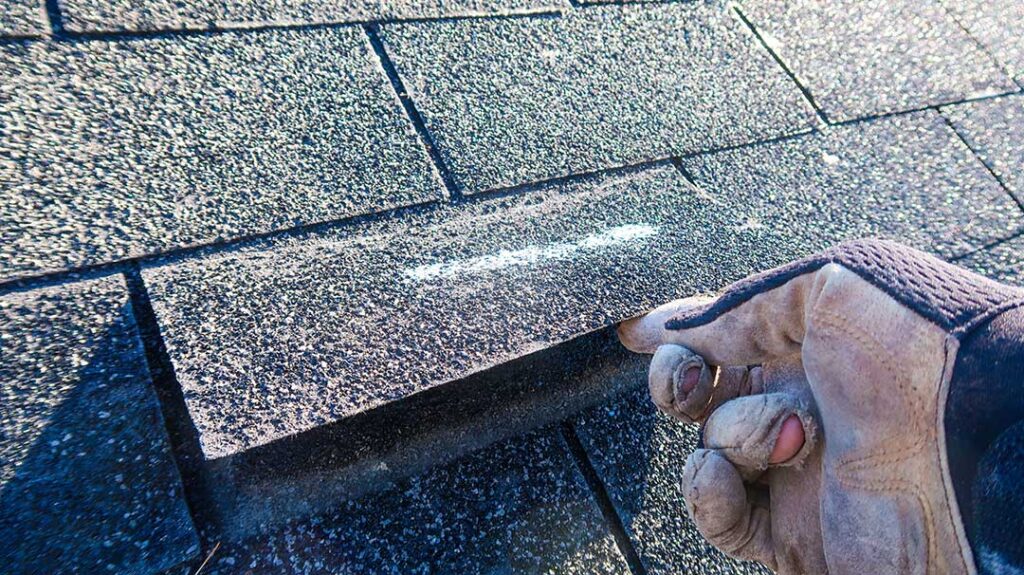
- Shingles that are missing, cracked, curled, blistered, or lifted
- Dark patches that may indicate moisture absorption or surface wear
- Areas where shingles appear uneven or wavy
- Exposed underlayment, fasteners, or roof decking
- Metal flashing that is bent, separated, rusted, or missing
- Sagging lines along the roof surface or ridge
- Loose materials in gutters, downspouts, or around the foundation
- Granules collecting beneath downspouts
A few loose granules are not always a sign of failure, especially after new roofing work. However, a steady accumulation of gritty material in gutters or at the base of downspouts can indicate that shingles are losing their protective surface.
A roof does not need to look severely damaged to have a leak. Small gaps around flashing, vents, chimneys, skylights, and roof edges can allow water to enter even when most shingles appear intact.
What signs can appear inside the attic?
The attic may show roof problems before they become visible in living spaces. Inspect it during daylight and again after heavy rain if access is safe.
Common warning signs include:
- Damp or discolored roof sheathing
- Water stains on rafters or trusses
- Musty odors
- Wet or compressed insulation
- Rust around nails, fasteners, or metal connections
- Daylight visible through the roof deck
- Frost buildup during cold weather
- Condensation on the underside of the roof
Not every attic moisture problem comes from a roof leak. Poor ventilation, air escaping from the living space, bathroom exhaust directed into the attic, and inadequate insulation can also create condensation. The location and pattern of the moisture can help distinguish these causes.
Water may travel along rafters or roof decking before dripping into the room below. For that reason, a ceiling stain does not always sit directly beneath the point where water entered.
Which indoor signs suggest roof damage?
Interior warning signs deserve attention even when they seem minor. A small stain may represent an active leak, an older repaired leak, or moisture that appears only during certain weather conditions.
Watch for:
- Yellow, brown, or gray ceiling stains
- Peeling paint or bubbling drywall
- Damp spots near exterior walls
- Stains around windows, skylights, chimneys, or vents
- Warped trim or ceiling materials
- A persistent musty smell
- New mold-like spotting in areas with repeated moisture
A stain that grows after rain or snowmelt is more concerning than one that remains unchanged for months. Still, an unchanged stain should not automatically be dismissed. Moisture can remain trapped above drywall or inside insulation after a leak stops.
If water is near a light fixture, outlet, or other electrical component, avoid touching the area and turn off power to the affected circuit only if it can be done safely. Active water intrusion combined with electrical equipment creates a serious hazard.
How do gutters and roof edges reveal problems?
Gutters are closely connected to roof performance. They collect runoff, but they also provide clues about how the roof and drainage system are functioning.
Check whether:
- Gutters pull away from the fascia
- Water spills over the front edge during rain
- Downspouts are blocked or disconnected
- Rust holes or open seams are visible
- Fascia boards appear soft, stained, or distorted
- Ice buildup repeatedly forms along the eaves
- Water is pooling near the foundation

Heavy snow and repeated freezing and thawing can strain gutters, flashing, and roof edges. Ice buildup along the eaves may contribute to water backing up beneath shingles, but it can also result from heat escaping into the attic. Improving attic insulation and air sealing may be part of the solution, depending on the cause.
Downspouts should direct water away from the foundation. If water repeatedly collects beside the house, the problem may involve drainage rather than the roof itself, but the two systems can affect each other.
Can wind and storms cause hidden damage?
Yes. Wind damage is not always obvious from the ground. Shingles may lift without fully coming off, allowing later rain to enter beneath them. Storm debris can puncture roofing materials, and branches may damage flashing or roof edges without leaving a large visible hole.
After strong winds, inspect the property for:
- Shingles or fragments in the yard
- New gaps or uneven rows
- Broken branches resting on the roof
- Bent vents, flashing, or metal edging
- Fresh water stains that appear after the storm
- Damage around roof penetrations
Do not climb onto a roof to inspect storm damage while surfaces are wet, icy, or unstable. A roof can be slippery even when it appears dry, and hidden structural damage may make certain areas unsafe.
How can seasonal changes expose early problems?
Roof problems often become noticeable during transitions between seasons. Spring snowmelt can reveal blocked drainage, damaged flashing, or leaks that were hidden under snow. Summer heat may make aging shingles curl or crack. Fall leaves can collect in valleys and gutters, while winter freezing can enlarge small openings as trapped water expands.
A practical inspection schedule is:
- Early spring, after the main snowmelt
- Late summer or early fall, before leaves and winter weather
- After unusually strong wind, hail, or heavy rain
- Whenever indoor stains, odors, or condensation appear
Keeping nearby tree limbs trimmed can reduce the risk of branch impact and limit leaf accumulation. However, pruning should be done carefully, since cutting or removing large limbs can also create safety hazards.
Which roof problems need prompt attention?
Some conditions should be treated as urgent because delay can increase damage or create a safety risk. These include active dripping, a visibly sagging roof area, large sections of missing shingles, exposed decking, water near electrical systems, or a ceiling that is bulging from trapped water.
Place a container beneath a safe drip if necessary, move furniture away from the area, and document visible damage with photographs. Avoid puncturing a bulging ceiling because the water may be under pressure and the ceiling material may collapse unpredictably.
Minor concerns, such as a few worn shingles or small amounts of gutter granules, may allow time for further evaluation, but they should still be documented and monitored. Roof age, previous repairs, attic ventilation, and the timing of the symptoms all help explain whether a problem is isolated or part of broader deterioration.
A careful inspection does not require walking on the roof. Ground-level observations, attic checks, interior clues, and gutter conditions can reveal many early signs while keeping the inspection safer. For conditions involving structural instability, active water near electricity, or dangerous roof access, qualified assistance is warranted because the risk goes beyond routine household maintenance.
