
How Do Roof Materials Show Their Age in Freeville, NY?
Freeville, NY’s four distinct seasons expose roofs to cycles of sun, wind, snow, ice, and rain. This range of weather means materials age in unique ways. Understanding what to look for on asphalt shingles, metal, slate, and wood roofs can save area homeowners headaches—and help maintain property value and comfort.
What Aging Looks Like on Asphalt Shingle Roofs
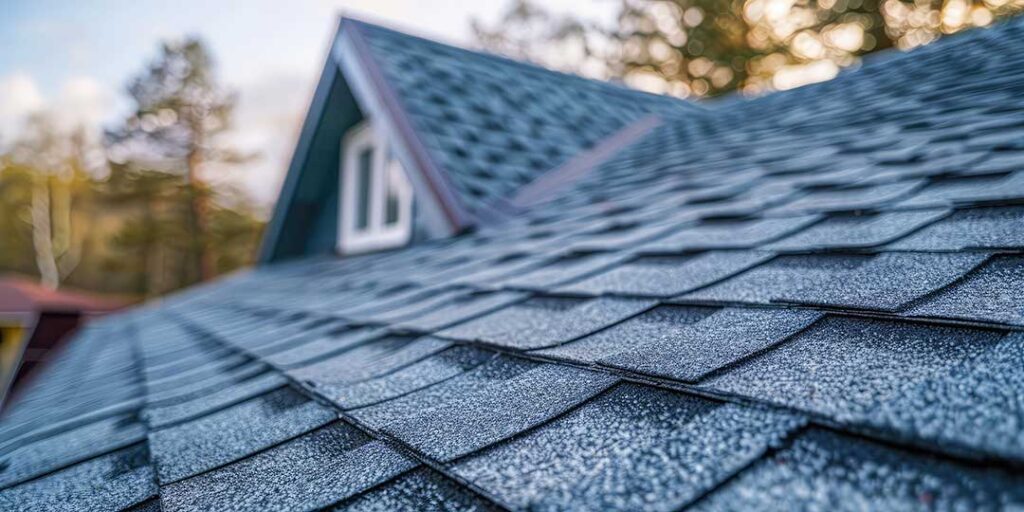
Asphalt shingles are common across Freeville due to their affordability and handling of local freeze-thaw cycles. Aging is typically visible with the naked eye:
- *Curled or Cupped Edges*: Shingles curl up or down at the edges from temperature swings and moisture cycling.
- *Cracked or Brittle Material*: Repeated expansion/contraction causes surface cracks that are easily missed from the ground, especially after cold snaps.
- *Bald Spots and Granule Loss*: Over time, granules wear away, especially in areas that face prevailing winds or frequent downspouts. Bare patches accelerate UV damage and are more apparent on homes with few tree branches overhead.
- *Widespread Discoloration*: Patches can look dark from algae growth or lighter where surface matting has worn away.
- *Shingles Sliding Out of Place*: Ice dams, heavy snow loads, or repeated wind exposure may loosen tabs, leaving edges uneven or even individual shingles missing.
In Freeville, north-facing and shaded sections tend to develop moss or streaking faster, especially on older, lower-pitch roofs.
How Do Metal Roofs Age in This Region?
Metal roofs are praised for longevity, but Freeville’s freeze-thaw cycles and humidity create specific aging patterns:
- *Coating Degradation*: Faded or chalky surfaces are often signs of the protective paint wearing away, particularly on south- or west-facing slopes.
- *Rust or Corrosion Patches*: Older or scratched panels may show orange or brown spots around fasteners or cut edges, especially after harsh winters with road salt drifting onto roofs.
- *Loose Panels or Screws*: Expansion and contraction from temperature swings may cause screws to back out, leading to visible unevenness, oil-canning (waviness), or small gaps.
- *Bent or Dented Metal*: Hail, falling branches, and repeated freeze-thaw can create visible dents or deformations, especially on thinner-gauge panels.
Many residents underestimate how small areas of exposed metal can allow rust to spread beneath panels, even if it’s not immediately visible.
What Signs of Wear Are Distinctive to Slate Roofs?
Slate roofs are less common but prized for their historic character in several parts of Freeville. Properly installed slate can last generations, but look for:
- *Broken or Slipped Slates*: Freeze-thaw action can fracture tiles that were previously intact, especially where older nails rust and release their hold.
- *Delamination*: Some slates naturally start to flake apart with age—patina is normal, but shedding layers can be a sign the stones are near failure.
- *Surface Pitting or Crumbling*: Subtle pitting from decades of acid rain or airborne pollutants gradually softens the slate, especially in valleys or near flashing.
- *Rust Streaks*: Brownish stains below nails or along seams hint that the underlying fasteners may be corroding.
Wind exposure at ridges makes those slates more prone to movement or breakage during storms in the area.
What Does an Aging Wood Roof Look Like?
Wood shingles and shakes resonate with the rural feel of Freeville, but the damp, shaded microclimate in some neighborhoods accelerates their aging process:
- *Cupping and Curling*: Uneven drying causes sections of wood to lift or twist, creating an undulating appearance across sections of the roof.
- *Splitting and Warping*: Repeated moisture cycling encourages pronounced cracks or separation at nail holes.
- *Moss, Lichen, or Algae Growth*: Persistent shade from mature trees allows biological growth to flourish on north-facing roofs. Moss retains moisture, leading to softened, decaying wood.
- *Wood Rot and Punctures*: Areas around chimneys, eaves, or valleys are particularly vulnerable as rain and snow runoff linger. If wood feels soft when pressed (never stand on old wood shingles), rot may be progressing beneath the surface.
A gray or silvery weathered look is common and not always a problem, but deep grooves, splinters, or a spongy surface mean aging has advanced.
Are Any Signs of Aging Often Overlooked?
Yes—some subtler signs are easy to miss from the ground yet matter for early intervention:
- *Sagging Ridges or Valleys*: Even a slight dip where a roof meets or changes direction may point to underlying support issues, often triggered by long-term moisture exposure.
- *Flashing Failure*: Metal flashing around chimneys, vents, or valleys can pull away or rust, especially after winter ice, letting water seep behind the primary material.
- *Gutter and Downspout Debris*: Finding shingle granules, slate chips, or small metal flakes in gutters often signals premature wear up above.
- *Interior Clues*: Water stains on attic rafters, musty odors, or rusted nails poking through boards often reflect exterior wear long before leaks are visible inside living spaces.
Routine checks from a safe vantage point—along with inspections following wind storms, ice, or hail—help households catch changes before major issues develop.
How Do Local Weather Patterns Accelerate Roof Aging?
Freeville experiences heavy snows, ice damming, bright summer days, and periods of wind-driven rain. Local roofs tend to age faster in areas where:
- Sleet and snow accumulate in valleys or against north-facing slopes, holding moisture in place.
- Ice dams back up water beneath shingles or slate, deteriorating underlayment and fasteners.
- Sun-exposed slopes see accelerated granule loss and heat-driven expansion, affecting both shingle and metal surfaces.
The combination of seasonal extremes means that no material is immune from visible aging. Spotting signs early can help local residents manage maintenance and avoid more costly repairs down the line.
