
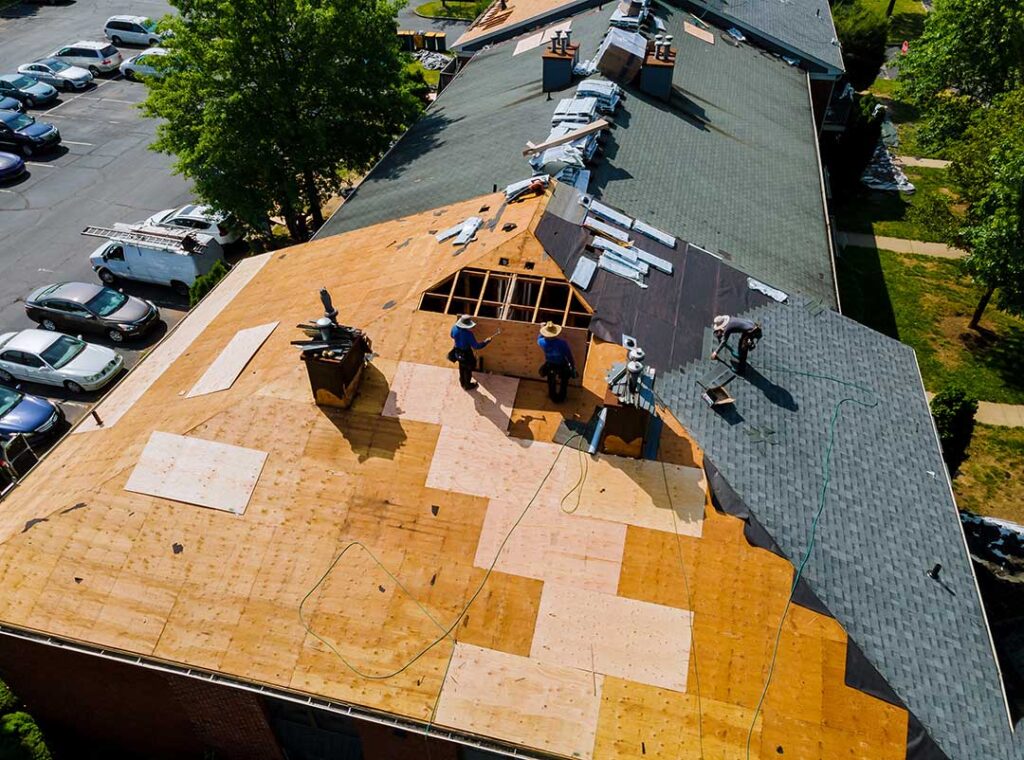
Roof leaks rarely begin with a dramatic hole in the shingles. More often, water enters through a small weakness around a flashing joint, vent, valley, or aging roofing material and travels before it becomes visible indoors. In Freeville, NY, seasonal temperature swings, snow, ice, wind, rain, and falling branches can all contribute to these problems.
Where do roof leaks most commonly start?
Most leaks begin at roof details rather than in the middle of an uninterrupted shingle field. The most frequent trouble spots include:
- Roof penetrations around plumbing vents, chimneys, skylights, and exhaust fans
- Flashing along walls, valleys, and roof edges
- Damaged, missing, or deteriorated shingles
- Areas where ice, water, leaves, or debris collect
- Gutters and downspouts that allow water to back up onto the roof
Water may enter several feet away from the ceiling stain. Roofing materials overlap in layers, and water can move along roof decking, rafters, insulation, or drywall before it becomes visible. A stain on the ceiling therefore does not always identify the exact entry point.
How do damaged or aging shingles cause leaks?
Shingles protect the roof deck from direct exposure to rain and melting snow. If shingles crack, curl, blister, loosen, or lose large amounts of protective granules, water can reach the layers beneath them.
Damage may result from:
- Wind lifting or removing shingles
- Branches scraping the surface
- Hail or other impacts
- Repeated freezing and thawing
- Long-term exposure to sunlight and weather
- Foot traffic from maintenance or other work
A few missing shingles can create a direct path for water, especially during wind-driven rain. Granules in gutters are not automatically proof of a serious failure because some loss is normal as shingles age. However, a growing amount of granule accumulation, exposed dark patches, or widespread curling can signal that the roof is becoming less resistant to moisture.
Why are flashing failures so common?
Flashing is the material installed around joints and transitions to direct water away from vulnerable areas. It is commonly found around chimneys, dormers, walls, skylights, vents, and roof-to-wall intersections.
Flashing can leak when it:
- Separates from a wall or masonry surface
- Rusts, cracks, bends, or develops holes
- Was poorly installed or improperly overlapped
- Loses its sealant
- Shifts as the building expands and contracts
- Collects debris that redirects water underneath it
A roof may appear to have plenty of life left while its flashing is already failing. This is one reason a leak can develop without obvious widespread shingle damage.
Can clogged gutters cause a roof leak?
Clogged gutters do not usually make shingles leak by themselves, but they can create conditions that lead to water intrusion. Leaves, twigs, and sediment restrict drainage, causing water to pool or spill over the roof edge.
Potential effects include:
- Water backing up beneath the lower courses of shingles
- Rot at the roof edge or fascia
- Wet soffits and exterior walls
- Overflow near doors, windows, or foundations
- Ice buildup during freezing weather
In snowy climates, blocked drainage can combine with freezing temperatures to form ice dams. Removing leaves before winter and checking that downspouts discharge water away from the structure can reduce avoidable drainage problems. Gutter cleaning should be done from stable ground whenever possible because ladder falls are a significant hazard.
What is an ice dam, and how does it cause water intrusion?
An ice dam forms when snow melts on a warmer section of the roof, flows toward a colder eave, and refreezes. The resulting ridge of ice can trap later meltwater. That water may move beneath shingles and into the roof assembly.
Uneven roof temperatures are often caused by inadequate insulation, air leakage from the living space, or insufficient ventilation. Poor attic airflow can allow heat to build up under the roof during winter.
Signs of an ice-dam-related problem may include:
- Icicles combined with thick ice along the eaves
- Water stains near exterior walls or overhangs
- Damp insulation in the attic
- Peeling paint or damaged drywall
- Repeated winter leaks that stop during warmer weather
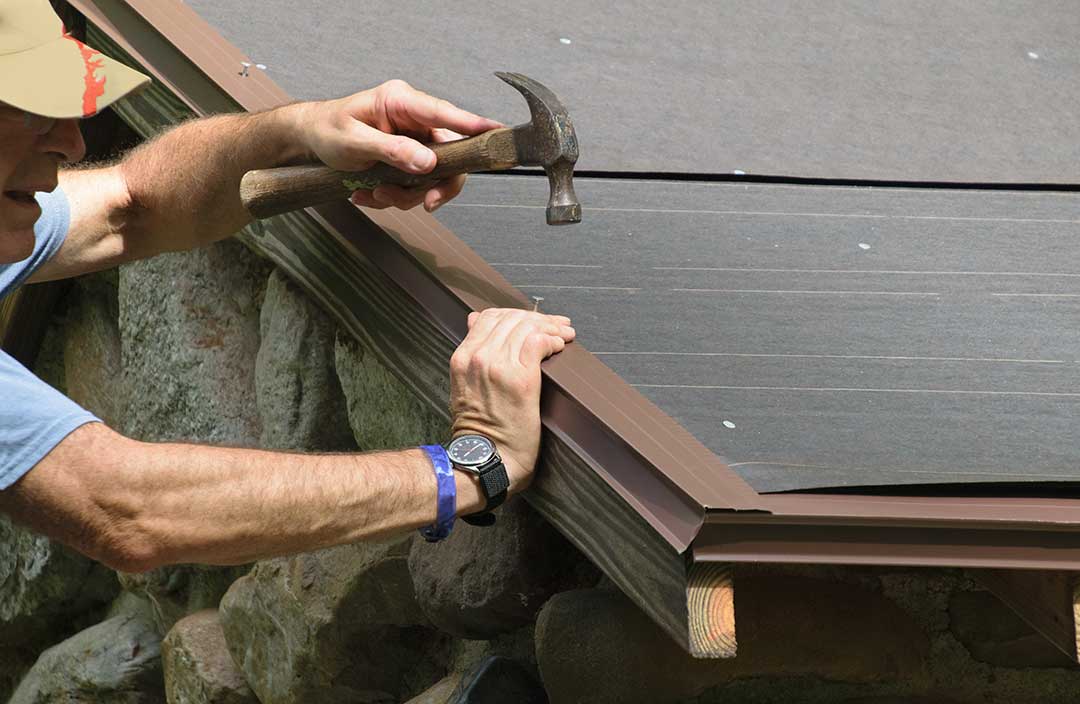
Removing ice with sharp tools can damage shingles and create additional entry points. Roof snow and ice can also fall unexpectedly, creating a safety risk around entrances and walkways.
How do roof valleys contribute to leaks?
A roof valley is where two roof slopes meet. It carries a concentrated flow of water, snow, and debris, so even a small weakness can produce a substantial leak.
Valley problems may involve:
- Cracked or displaced shingles
- Damaged metal or membrane beneath the shingles
- Leaves and branches blocking water flow
- Fasteners placed in vulnerable locations
- Improper overlap or installation
Valleys deserve extra attention after heavy storms and during autumn leaf fall. Debris should not be scraped aggressively across the roof because that can loosen shingles and remove protective granules.
Can vents, skylights, and chimneys leak even when they look intact?
Yes. Roof penetrations are common leak sources because they interrupt the continuous surface of the roofing system. A vent boot may crack, a skylight gasket may deteriorate, or chimney flashing may separate from masonry.
The visible component may look normal from the ground while the underlying seal or flashing has failed. Water can also enter around fasteners or through deteriorated mortar joints. Stains near a ceiling fixture, attic vent, chimney, or skylight should be treated cautiously because water may be close to electrical wiring.
Do not assume that applying surface sealant will solve the problem permanently. Sealant can degrade, conceal damage, or redirect water into a different part of the roof assembly.
What maintenance issues make leaks more likely?
Neglected maintenance can shorten the useful life of a roof even when the original materials were properly installed. Common contributing factors include:
- Allowing moss, leaves, or branches to remain on the roof
- Ignoring small ceiling stains
- Failing to inspect after strong wind or falling limbs
- Leaving attic moisture or condensation unresolved
- Walking on fragile or aging shingles
- Installing equipment or making repairs without protecting the roof surface
Attic condensation is sometimes mistaken for a roof leak. Warm, moist indoor air can reach a cold roof deck and create dampness, frost, or staining. A leak usually becomes worse during rain or snowmelt, while condensation may appear during cold weather even without precipitation. Both conditions can damage wood and insulation, so the timing and location of moisture matter.
What should residents check after noticing a ceiling stain?
First, contain dripping water and move furniture or valuables away from the area. If water is near a light fixture, outlet, or electrical equipment, avoid touching the fixture and use caution around the affected area.
From the ground, look for missing shingles, loose flashing, clogged gutters, fallen branches, or unusual wet areas. An attic inspection may reveal wet insulation, darkened wood, daylight through the roof deck, or water tracks, but entering an attic can be unsafe if the floor is not fully decked or the structure is damaged.
Documenting the stain, weather conditions, and when the leak appears can help distinguish rain entry, snowmelt, plumbing problems, and condensation. A small stain should not be ignored simply because it dries. Repeated wetting can lead to rot, mold growth, insulation damage, and weakened roof framing.
In the local climate, prompt attention is especially useful before another cycle of rain, snow, freezing, and thawing adds stress to an already vulnerable roof.
